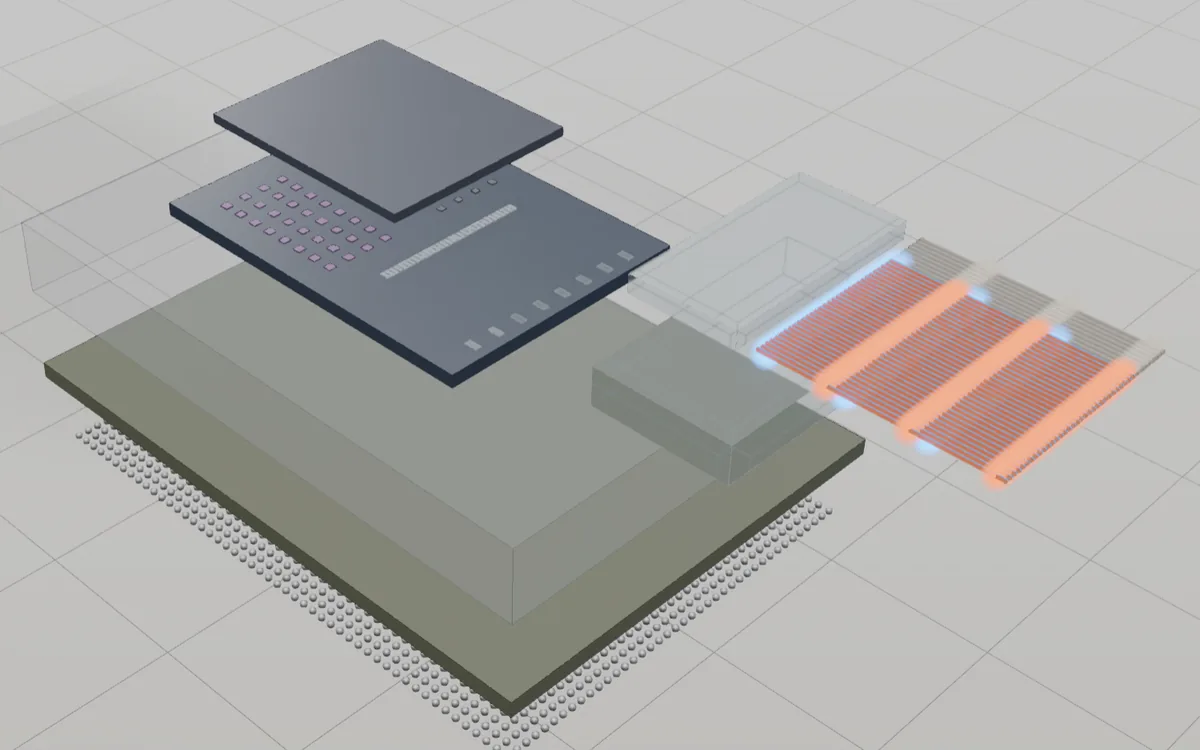
An open source learning tool for co-packaged optics, built for engineers, researchers, and students. It gathers slides, datasheets, and draft standards into one 3D explorer, from rack to microring, and checks each link against the math with every number traced to its source.
The same worst case rack path is −1.0 dB or +2.0 dB depending on which side of a detachable fiber connector the budget is measured.
Independent model built from public information. Not affiliated with any company whose work is cited.
Watch the walkthrough 1:31A silent tour with on screen captions. It moves from a reference rack to a switch tray, a BiDi optical engine and its photonic chip, a single microring modulator in cross section, and a photonic tensor core processor.
02CourseworkECE 136CSpring 2025
Quantum Photonics Labs
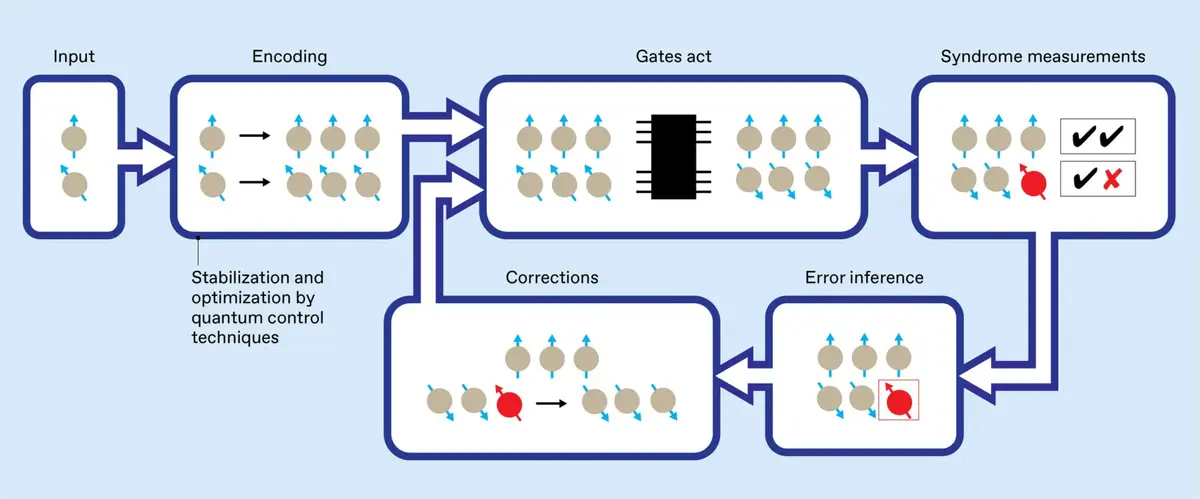
Studied quantum optics through lab experiments and Python circuit programming. Learned how measurement noise and the order of circuit operations affect the results.
With Nate Barnaby, Gavin Kesler, and Bryan Fernandez (Group 7).
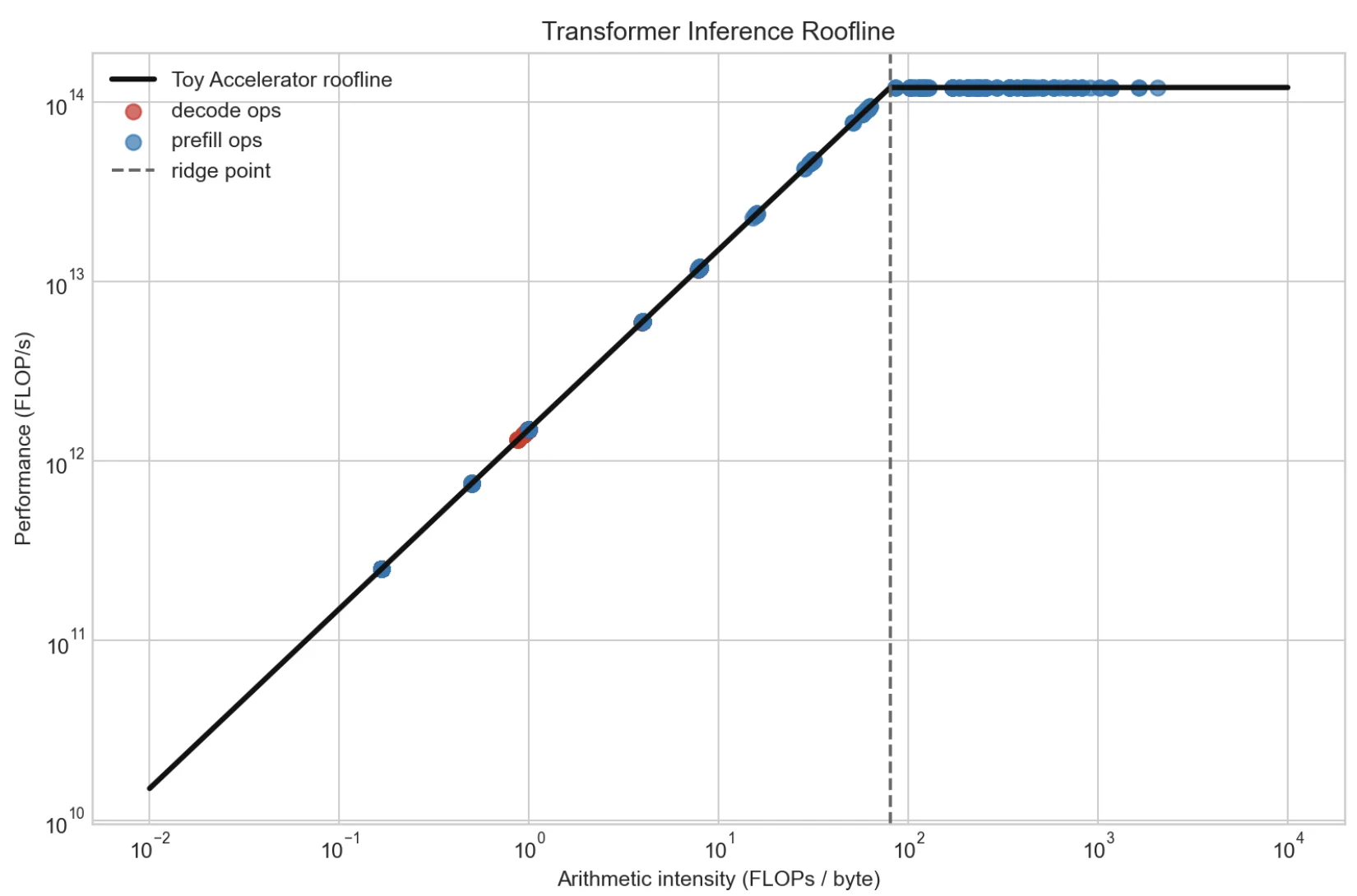
Built a loop to check and time Triton kernels against eager PyTorch. Proposals currently come from a fixed mock.
In one Tesla T4 run, a verified fused kernel took 0.053 ms versus 0.120 ms for the best framework path (2.26×), measured in the same process. Other runs varied.
The mock proposer does not learn from feedback. These timings apply to the tested workload and GPU.